
Don't Just Fix the Drip: A Homeowner's Guide to Repairing Drywall Damage from Leaky Faucets
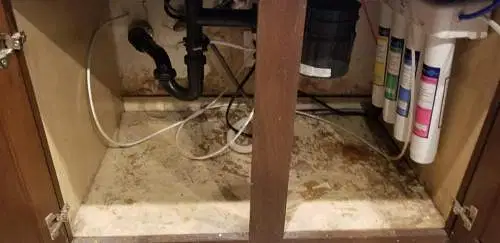
It often starts with a faint, musty smell under the kitchen or bathroom sink. You might dismiss it at first, but then you notice the corner of a cardboard box is suspiciously soft, or you see a subtle, discolored stain spreading on the wall inside the cabinet. That steady drip...drip...drip you’ve been meaning to get to has been causing more trouble than you thought. A leaky faucet is more than just a plumbing annoyance; it's a direct threat to the integrity of your home's drywall. For homeowners across the Valley, understanding the full scope of the problem is the first step toward a lasting solution. At Gilbert Handymen Services, we’ve seen it all, and we know that a proper repair means addressing both the leak and the damage it leaves behind.
Why a Small Leak is a Big Problem for Your Walls
It’s easy to underestimate a slow leak. After all, how much harm can a few drops of water do? The answer is: a lot. Drywall is essentially gypsum plaster pressed between two thick sheets of paper. It’s sturdy when dry, but it acts like a sponge when exposed to moisture. Once water seeps into the drywall, a cascade of problems begins.
- Structural Weakening: The water breaks down the gypsum core, causing the drywall to become soft, swollen, and crumbly. It loses its structural integrity and can no longer support anything attached to it, including the cabinet itself over time.
- Mold and Mildew Growth: The dark, damp space inside a cabinet is the perfect breeding ground for mold and mildew. This isn't just an unsightly issue; mold can release spores into the air, potentially affecting your home's air quality and causing health concerns. During our humid monsoon season, this growth can accelerate dramatically.
- Pest Attraction: Damaged, moist wood and drywall can attract pests like termites and carpenter ants, creating an entirely new and more complex problem for you to deal with.
Ignoring water-damaged drywall is never a good idea. The problem will not resolve itself. Instead, it will continue to worsen, leading to more extensive and costly repairs down the road. Addressing it promptly is key to protecting your home's value and your family's health.
The Right Way to Fix the Problem: A Two-Step Process
A successful repair isn't just about patching the wall; it's about following a methodical process that ensures the problem is gone for good. This is where professional expertise makes all the difference. We approach this common household issue with a two-part strategy that guarantees a complete and durable solution.
Step 1: Stop the Source of the Water
Before any wall repair can begin, the leak must be stopped. Applying a patch over damp drywall is like putting a bandage on an infected wound—it only hides the problem while it gets worse underneath. Our first priority is always to perform a thorough plumbing service to identify and fix the cause of the leak. This could be anything from a worn-out washer or O-ring to a corroded valve or a cracked supply line. Once we've ensured the source of the water is completely eliminated, we can confidently move on to the restoration phase.
Step 2: Repair and Restore the Drywall
With the leak fixed, it's time to address the damage. Our professional drywall repair process involves several key steps:
- Damage Assessment: We carefully inspect the area to determine the full extent of the water damage. Sometimes the affected area is larger than it appears on the surface.
- Removal of Damaged Material: We cleanly cut away all the compromised drywall, ensuring only solid, dry material remains. This step is crucial for preventing any lingering moisture or mold from being sealed inside the wall.
- Installation of New Drywall: A new piece of drywall, precisely cut to fit the opening, is securely installed.
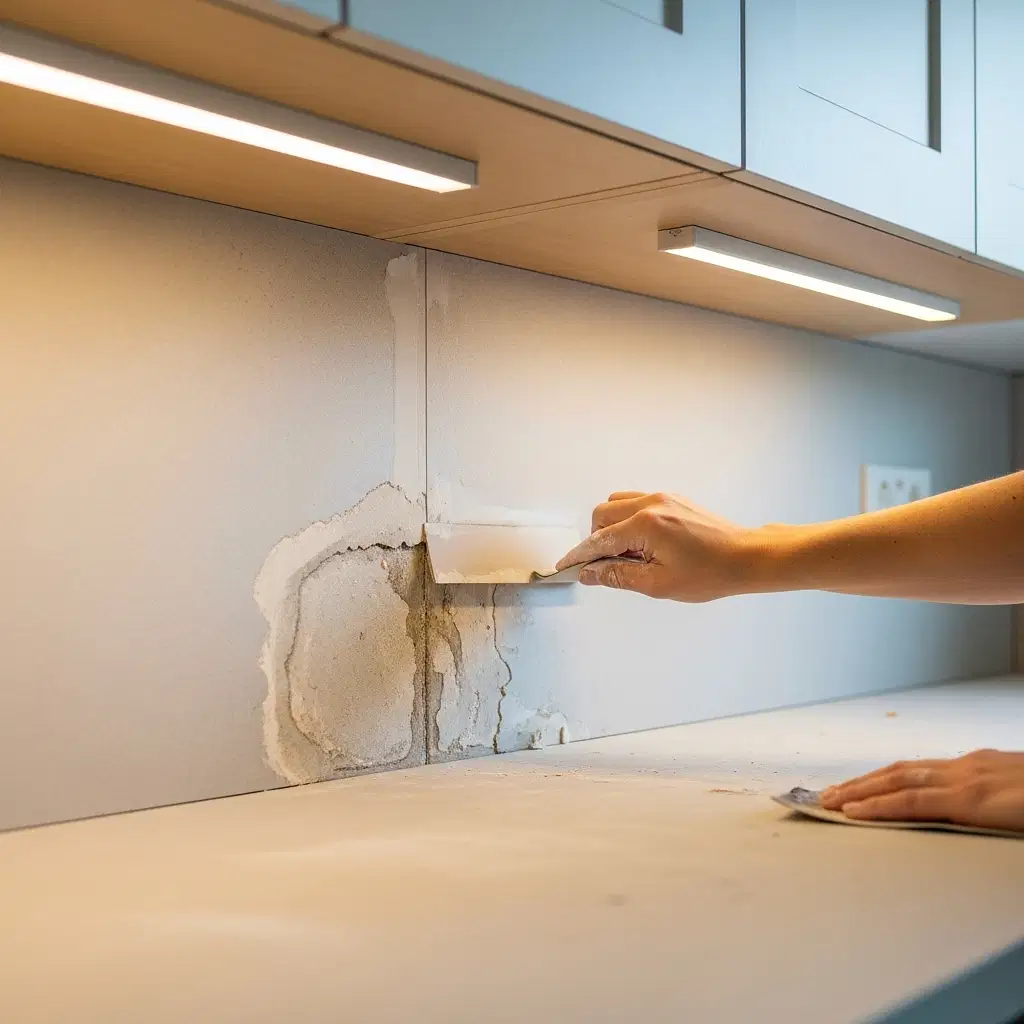
- Taping and Mudding: We apply joint compound (mud) and tape to the seams, feathering it out to create a perfectly smooth, seamless transition between the new patch and the existing wall. This process is often done in multiple, thin layers to achieve a flawless finish.
The Final Touches: Texture and Paint Matching
This is the stage that truly separates a professional repair from a DIY job. A lumpy, obvious patch can be just as much of an eyesore as the original water stain. Our goal is to make the repair completely invisible.
Many homes in our area have textured walls, and matching that texture is an art form. Whether it's a subtle orange peel or a more distinct knockdown texture, we have the tools and techniques to blend the patch perfectly with the surrounding surface.
After the texture is set, the final step is a fresh coat of primer and paint. Our comprehensive painting services ensure that we match the color and sheen of your cabinet's interior, leaving no trace that a repair was ever done. This is the advantage of a multi-skilled handyman service—we handle the entire job from start to finish, saving you the time and hassle of coordinating with multiple contractors.
Your All-in-One Solution for Leaks and Drywall Damage
A leaky faucet might seem like a small thing, but the resulting water damage requires careful, professional attention. Simply fixing the drip isn't enough. A proper repair involves stopping the leak at its source, removing all compromised material, and restoring the drywall to a seamless, professional finish.
If you've discovered a leak or water stain under a sink in your home, don't wait for the problem to spread. The team at Gilbert Handymen Services is ready to help. We provide a complete solution, handling everything from the faucet repair to the final coat of paint, restoring your home and your peace of mind. Contact us today to schedule your service in Gilbert and let us take care of the rest.