Preventing Water Heater Leaks and Drywall Damage
For most homeowners, the water heater is an out-of-sight, out-of-mind appliance—until the morning you step into a freezing shower or, worse, walk into a flooded garage or utility closet. In our unique desert climate, plumbing appliances face specific challenges that can accelerate wear and tear. A failing water heater doesn't just disrupt your morning routine; it can cause extensive, expensive damage to your home's interior structure.
When a water heater fails, the resulting water damage rarely stays confined to the floor. Water quickly wicks up surrounding walls, compromising the structural integrity of your home and creating a breeding ground for mold. For residents in Gilbert and the surrounding communities, understanding how to maintain these systems and spot the early warning signs of failure is crucial for protecting your property.
By taking a proactive approach to home maintenance, you can extend the lifespan of your appliances and avoid the massive headache of unexpected structural repairs. Let's explore why these leaks happen, how they impact your walls, and what you can do to stop them before they start.

The Impact of Hard Water on Desert Water Heaters
One of the biggest culprits behind premature plumbing failures in our region is the mineral content in our municipal water supply. The impact of hard water on desert water heaters cannot be overstated. As water is heated, the high concentrations of calcium and magnesium naturally present in the water begin to separate and settle at the bottom of the tank. Over time, this creates a thick layer of calcified sediment.
This sediment buildup forces your water heater to work significantly harder to heat the water, driving up your energy bills. More importantly, it traps intense heat against the bottom of the steel tank. This uneven heating causes the metal to expand and contract irregularly, eventually leading to micro-fractures, rust, and structural failure.
To combat this, homeowners should prioritize routine maintenance. The benefits of annual water heater descaling are immense. By flushing the tank and removing that mineral buildup, you restore the appliance's efficiency and drastically reduce the risk of the tank rusting through. If you aren't comfortable performing this flush yourself, scheduling professional plumbing services ensures the job is done safely and thoroughly, keeping your system running smoothly for years to come.
Detecting Slow Leaks Before They Destroy Your Walls
Catastrophic tank bursts are rare; most water damage starts as a slow, silent drip. Detecting slow leaks in water heater tanks early is the key to saving your walls and flooring. You should routinely check the area around your water heater for subtle signs of trouble. Look for small puddles, damp spots on the concrete, or a crusty white mineral buildup around the pressure relief valve and water supply lines. You might also hear a faint hissing sound, which indicates water is dripping onto the hot burner assembly.
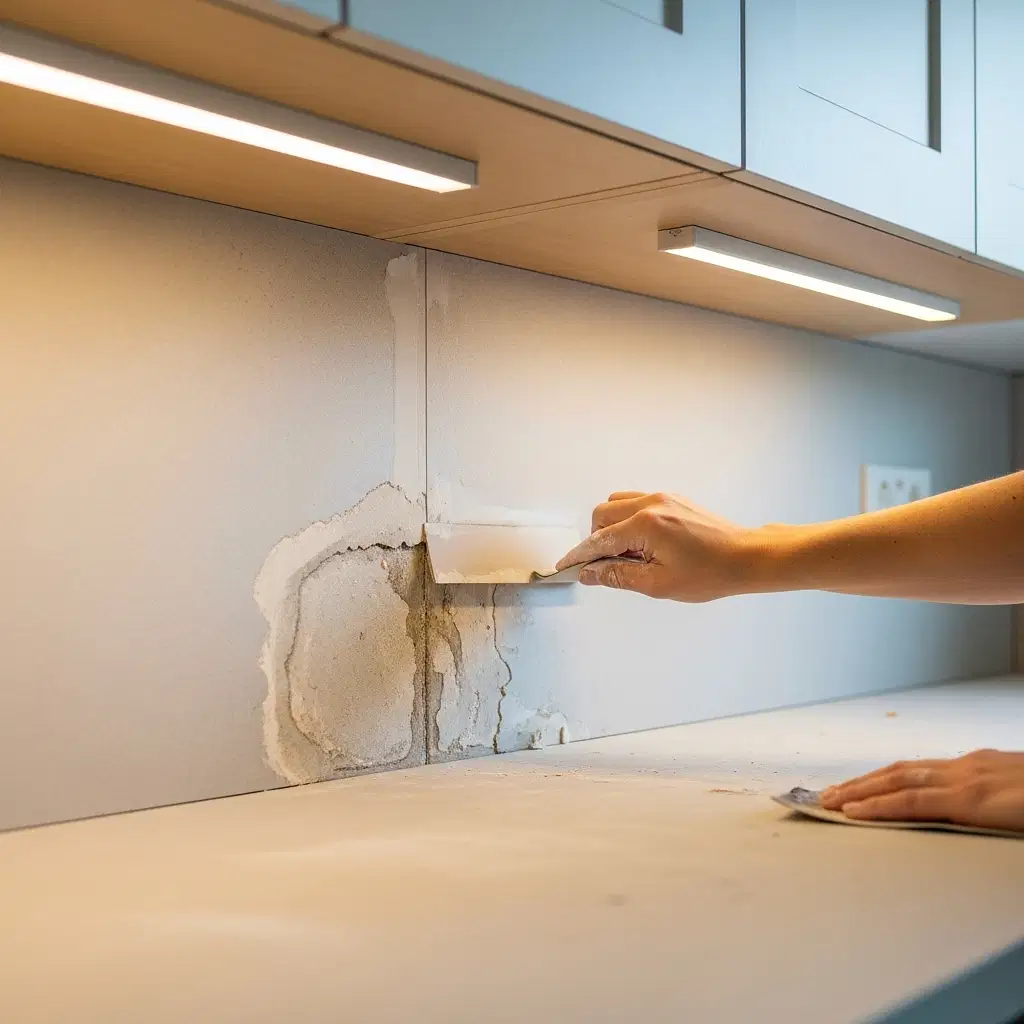
When a slow leak goes unnoticed, the water inevitably finds its way to the nearest wall. Drywall acts like a sponge. It absorbs the pooling water, drawing it upward in a process called wicking. Within just a few days, the gypsum core of the drywall begins to crumble, the paper backing grows mold, and the paint bubbles and peels. What started as a minor plumbing issue has now become a major structural problem.
At Gilbert Handymen Services, we emphasize clear communication and thorough initial inspections to avoid surprise costs on these types of multi-task projects. When we evaluate a plumbing issue, we don't just look at the appliance; we inspect the surrounding environment. If we find that water has compromised your walls, we can seamlessly transition into providing professional drywall repair and installations. We prioritize keeping you informed throughout the entire process, ensuring that any unforeseen issues are addressed immediately and transparently.
Preventing Water Damage from Failing Plumbing Appliances
Just as you might tackle monsoon prep to protect your home's exterior from summer storms, you need a strategy to protect your interior from plumbing failures. Preventing water damage from failing plumbing appliances requires a mix of traditional maintenance and modern technology.
First, ensure your water heater is sitting in a properly installed drain pan. This simple metal or plastic tray catches small drips and directs them to a drain line, keeping the water off your floor and away from your walls. If your current setup lacks a drain pan, having one installed is a highly recommended upgrade.
Second, consider embracing smart home technology. The industry is seeing a rapid adoption of smart leak detectors. These small, affordable devices sit on the floor near your water heater, washing machine, or under sinks. If they detect even a millimeter of water, they instantly send an alert to your smartphone. Some advanced systems can even automatically shut off your home's main water supply, preventing a minor leak from turning into a major flood while you are away at work or on vacation. For homeowners in The Valley, where we often spend long days away from the house, this peace of mind is invaluable.
Protect Your Home with Proactive Maintenance
Your home is one of your most significant investments, and protecting it requires staying ahead of wear and tear. By understanding how hard water affects your plumbing, keeping an eye out for slow leaks, and utilizing modern leak detection technology, you can prevent a failing water heater from causing extensive drywall damage.
Whether you need help flushing a sediment-filled tank, repairing a section of water-damaged wall, or tackling a varied list of home improvements, you need a reliable partner who values craftsmanship and transparent pricing. If you are located in the East Valley and want to ensure your home is safe, efficient, and beautiful, explore our comprehensive handyman services.
Don't wait for a drip to become a disaster. Reach out to us through our contact us page today to schedule a thorough inspection and keep your home in peak condition.