Understanding and Repairing Drywall Cracks in Your Arizona Home
It’s a common sight for homeowners across the Gilbert area: a small, spidery crack that appears out of nowhere on a wall or ceiling. Your first thought might be to worry, wondering if it’s a sign of a serious problem. Here in the Valley, our unique climate and soil conditions mean that homes are constantly adapting to their environment. The intense dry heat and the dramatic shifts in moisture during monsoon season can cause the soil around your foundation to expand and contract, leading to minor settling.
While many of these drywall cracks are purely cosmetic, some can indicate a need for a closer look. Understanding the difference is key to protecting your home's value and your peace of mind. This guide will walk you through the common causes of drywall cracks, how to tell if a crack is serious, and what the professional repair process looks like to ensure a lasting, seamless finish.
Why Do Drywall Cracks Happen in the First Place?
Drywall is a rigid material, and it doesn't have much flexibility. When the wooden frame of your house shifts—even a tiny fraction of an inch—the drywall is put under stress, and cracks can form. In Arizona, a few key factors are usually at play.
- Foundation Settling: Nearly every home settles over time, especially in the first few years after construction. This is a normal process as the structure adjusts to the ground beneath it. However, our region's expansive clay soil can accelerate or continue this process. The soil swells when it absorbs water during monsoon season and shrinks dramatically during periods of dry heat, causing subtle but powerful shifts in the foundation.
- Temperature and Humidity Fluctuations: The materials your home is built from (wood, metal, drywall) expand and contract with temperature changes. The daily and seasonal temperature swings in our desert climate can cause these materials to move, creating stress points that result in hairline cracks, particularly around windows and doors.
- Normal Wear and Tear: Over time, vibrations from daily life, settling, and even nearby construction can contribute to minor, non-structural cracks. These are often found along the seams where two sheets of drywall meet.
Cosmetic Flaw or Structural Concern? How to Tell the Difference
One of the most common questions we hear from homeowners is whether a crack is a simple fix or a sign of a bigger issue. While a professional assessment is always the best way to know for sure, here are some general guidelines to help you identify what you're looking at.
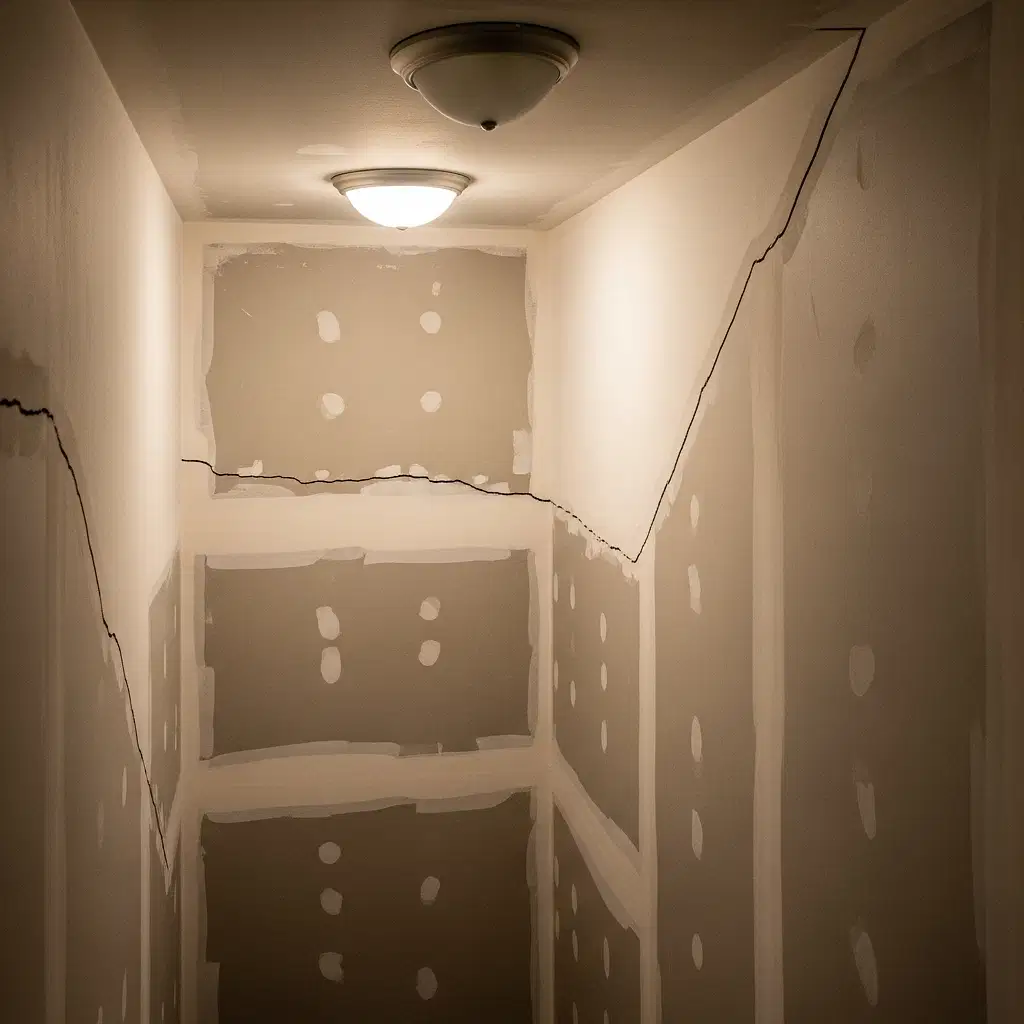
Signs of Common, Cosmetic Cracks:
- Hairline cracks: Very thin cracks that run vertically or horizontally, often along a drywall tape line.
- No separation: The wall on either side of the crack is still perfectly flat and aligned.
- Located at seams: Cracks that appear where sheets of drywall meet are typically due to aging tape or minor settling.
Signs of Potentially Structural Cracks:
- Diagonal cracks: Cracks running at a 45-degree angle from the corners of doors and windows are classic signs of foundation settling.
- Wide or growing cracks: Any crack wider than 1/8 of an inch, or one that you notice is getting longer or wider over time, should be inspected.
- Associated symptoms: If you see wall cracks along with other issues like doors that stick, windows that are difficult to open, or visible cracks in your exterior stucco or foundation, it’s a strong indicator that the issue is more than just cosmetic.
The Professional Process for a Flawless Drywall Repair
Simply spackling over a crack is a temporary fix at best. For a repair that lasts, especially for cracks caused by settling, a more thorough process is required. At Gilbert Handymen Services, we focus on not just covering the crack, but reinforcing the area to prevent it from returning. Our commitment to clear communication means we'll walk you through every step.
- Thorough Assessment: We start by examining the crack to understand its likely cause. This helps determine the correct repair method.
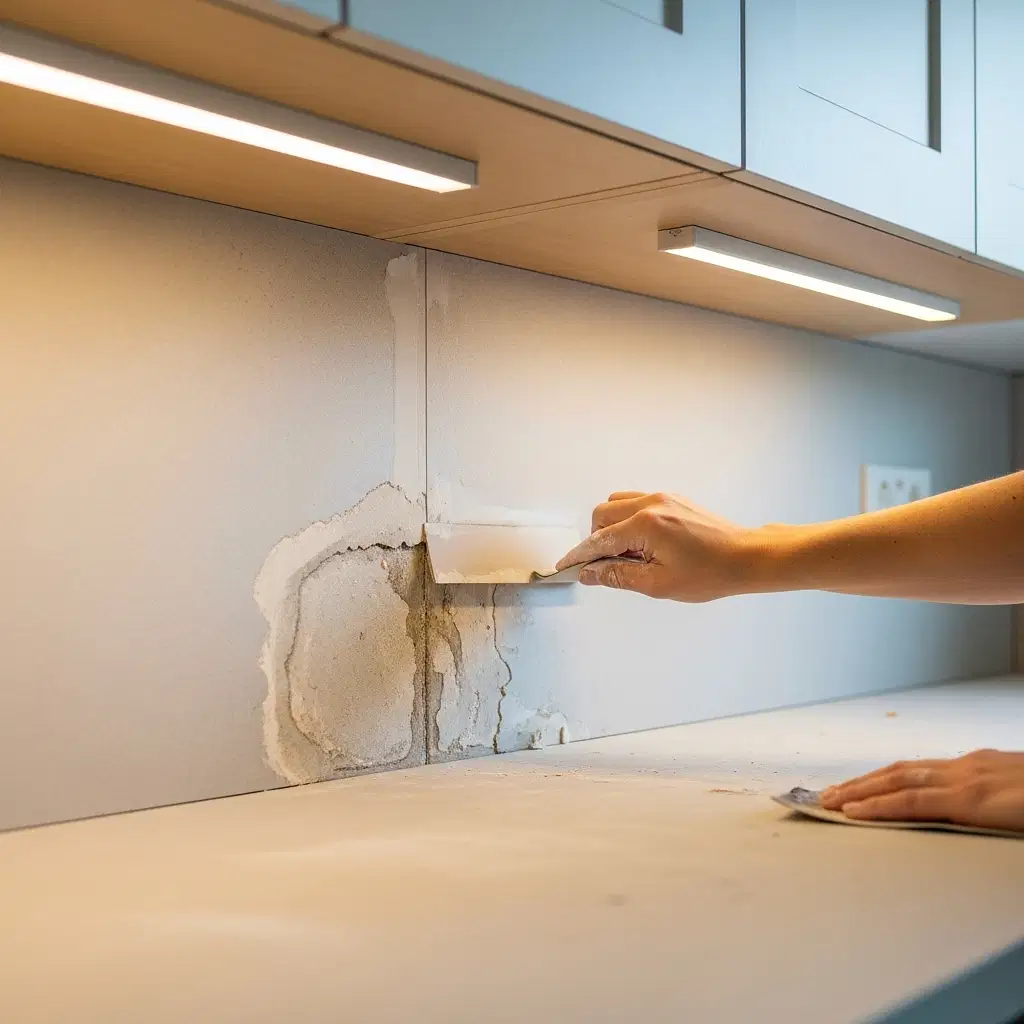
- Proper Preparation: We carefully widen the crack into a 'V' shape. This allows the patching compound to get deep into the fissure, creating a much stronger bond than a simple surface patch.
- Reinforcement: For stress cracks, we apply fiberglass mesh tape over the repair area. This tape is incredibly strong and flexible, helping to absorb any future minor movements without the crack reappearing.
- Expert Finishing: We apply multiple thin layers of high-quality joint compound, sanding smoothly between each coat. This meticulous process feathers the repair into the surrounding wall, making it completely invisible once finished.
- Perfect Paint Match: The final step is to prime and paint the repaired area. We take care to match your existing wall color and texture for a truly seamless result.
This detailed approach ensures the repair is not only invisible but also durable. It’s the difference between a quick fix and a professional solution that restores the integrity and beauty of your walls. You can learn more about our approach on our drywall repair and installations and painting services pages.
Restore Your Walls and Your Peace of Mind
Seeing new cracks in your drywall can be unsettling, but it’s a manageable part of homeownership in Arizona. By understanding the causes and knowing what to look for, you can take the right steps to address them. For most common cracks, a professional repair is all that’s needed to restore your walls to their original, pristine condition.
If you’re tired of looking at unsightly cracks and want a lasting solution, we’re here to help. The team at Gilbert Handymen Services has the local experience to properly diagnose and repair drywall issues common to homes in the Gilbert area. Contact us today to schedule an assessment. We offer expert drywall repair, professional painting, and a full range of handyman services to keep your home looking its best.