Your Guide to Essential Water Heater Maintenance for Valley Homes
There are few things more frustrating than turning on the shower to find nothing but cold water. Here in the Valley, our water heaters work hard year-round, and the unique challenges of our climate—from the intense dry heat to our notoriously hard water—can take a serious toll on these essential appliances. A little proactive care can go a long way in preventing unexpected breakdowns, extending the life of your unit, and keeping your energy bills in check.
At Gilbert Handymen Services, we believe in empowering homeowners with the knowledge to maintain their homes effectively. This guide will walk you through the most important maintenance steps for your water heater, explaining why they’re so crucial for homes in our area and what signs to look for that might signal it's time for a professional inspection.
The Hidden Enemy: Hard Water and Sediment Buildup
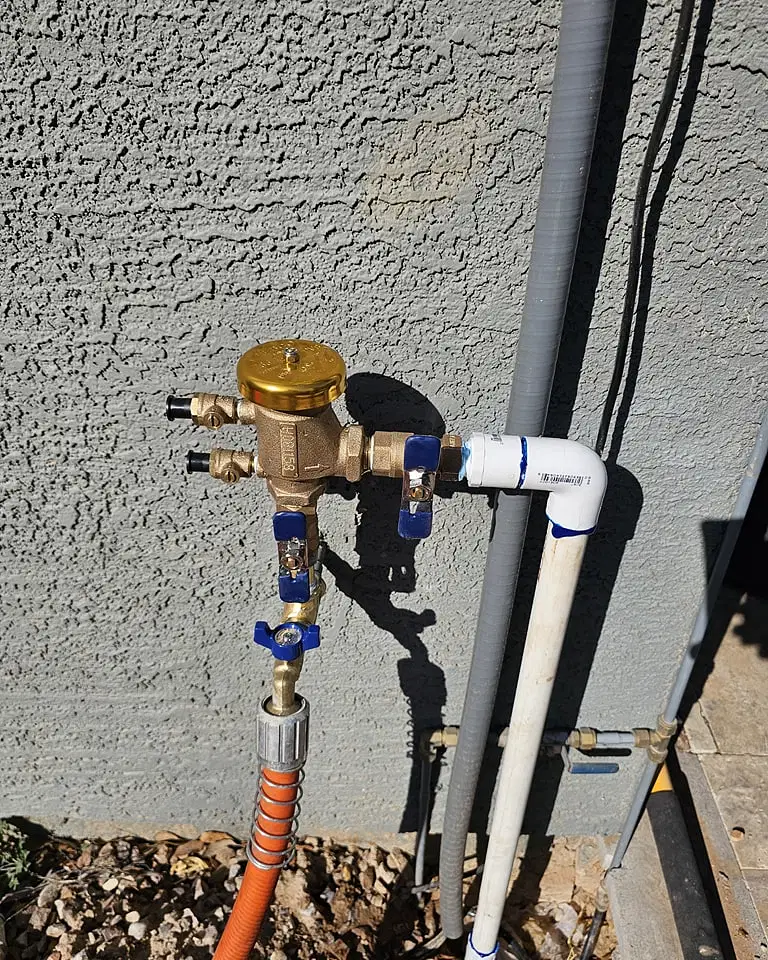
The single biggest challenge for water heaters in Arizona is our hard water. Our water supply is rich in minerals like calcium and magnesium. While harmless to us, these minerals can wreak havoc inside your water heater tank. As water is heated, these minerals separate and settle at the bottom of the tank, creating a thick layer of sediment.
Why is this a problem? Several reasons:
- Reduced Efficiency: The sediment layer acts as an insulator between the heating element (or burner) and the water. Your water heater has to work much harder and longer to heat the water, driving up your energy consumption and utility bills.
- Strange Noises: If you've ever heard popping, rumbling, or banging sounds from your water heater, you're likely hearing the sound of water trapped under the sediment layer boiling and trying to escape. It's a clear sign of significant buildup.
- Corrosion and Leaks: The sediment can create corrosive hot spots inside the tank, accelerating rust and deterioration. Over time, this can lead to tank failure and costly water damage.
- Reduced Lifespan: A water heater that's constantly overworked and battling internal corrosion simply won't last as long as a well-maintained one. Regular maintenance can add years to its service life.
Your Annual Water Heater Maintenance Checklist
Performing a few key tasks once a year can make all the difference. While some homeowners feel comfortable with these steps, never hesitate to call a professional if you're unsure. Safety is always the top priority.
1. Flush the Tank to Remove Sediment This is the most critical maintenance step for our region. Flushing the tank involves draining it completely to wash out all the accumulated mineral sediment. Doing this annually prevents the buildup from hardening and becoming impossible to remove. A thorough flush restores efficiency, quiets those noisy rumbles, and is the best defense against premature tank failure.
2. Check the Anode Rod The anode rod is a metal rod inside your tank designed to corrode so your tank doesn't have to. It's often called the "sacrificial" rod. Once it's mostly depleted, the tank itself will start to rust from the inside out. Checking it every couple of years and replacing it when needed is a small, inexpensive task that can dramatically extend the life of your water heater.
3. Test the Temperature & Pressure (T&P) Relief Valve This is a crucial safety feature that automatically releases pressure if the temperature or pressure inside the tank gets too high. To test it, simply lift the lever for a few seconds to ensure water flows out of the discharge pipe, then let it snap back into place. If it doesn't work or continues to leak afterward, it needs to be replaced immediately.
Warning Signs: When to Call for Professional Help
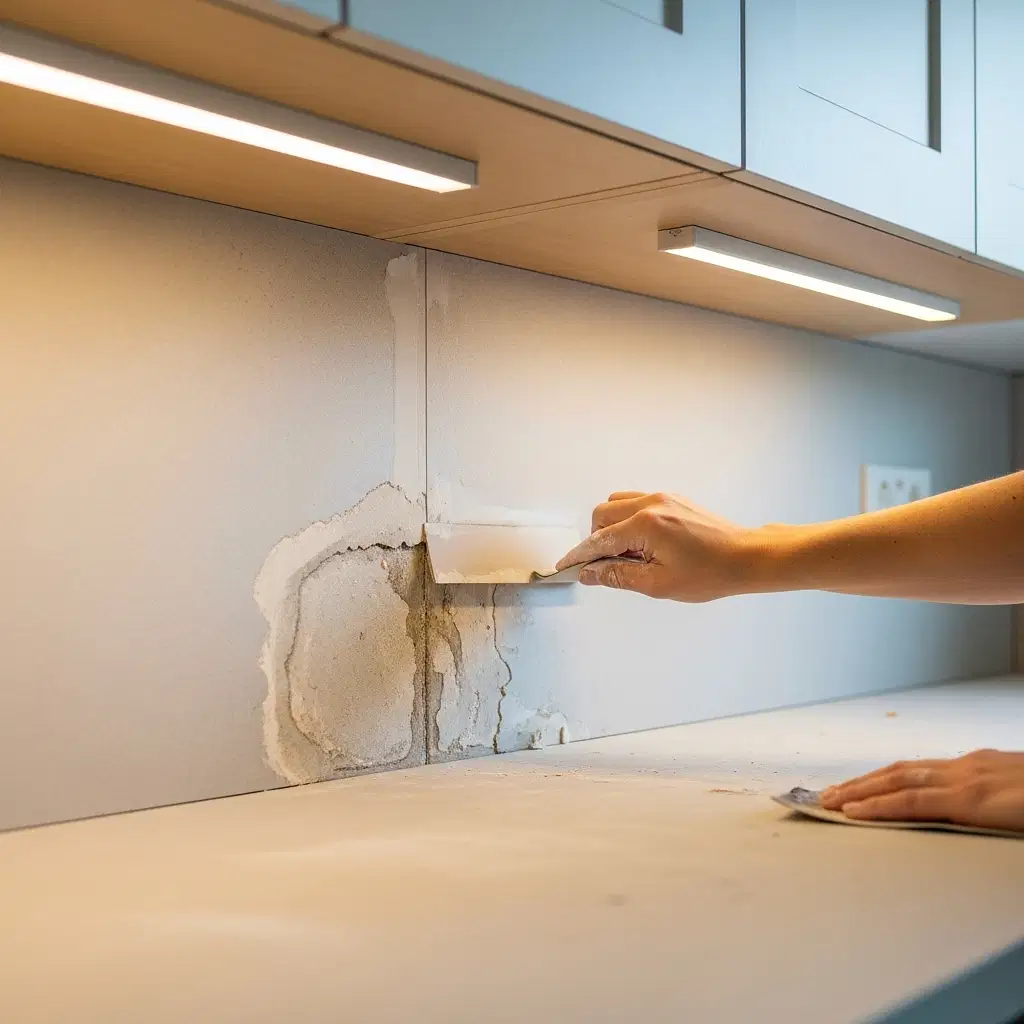
Even with diligent maintenance, water heaters eventually wear out. Knowing the warning signs of a failing unit can help you avoid a catastrophic leak and the major headache that comes with it. It's time to call a professional if you notice any of the following:
- Any signs of leaking or moisture around the base of the unit.
- Inconsistent water temperature or water that is only lukewarm.
- Discolored or rusty water coming from your hot water taps.
- A significant increase in rumbling or popping noises, indicating severe sediment buildup.
- The unit is more than 10-12 years old. While some last longer, this is the average lifespan, and it's wise to start planning for a replacement.
A professional inspection can diagnose the issue accurately, whether it's a faulty heating element, a dip tube problem, or a sign that the tank's integrity is compromised. A thorough check can give you a clear picture of your water heater's health and help you make an informed decision about repair versus replacement.
Your Partner for a Healthy Home
Keeping your water heater in top condition is a smart investment in your home's comfort and efficiency. By understanding the unique challenges posed by our local water and performing regular maintenance, you can prevent most common problems and ensure you have reliable hot water when you need it.
If you're dealing with a leaky faucet, need a professional water heater inspection, or are considering an upgrade, the experienced team at Gilbert Handymen Services is here to help. We provide reliable plumbing services and a wide range of handyman services to keep every part of your Gilbert home running smoothly. Contact us today for peace of mind and expert service you can trust.